


Nghiên cứu về môi trường hoang dã và bảo tồn rừng ngập mặn
Quốc gia
Cities
Upload Image
Development goals
Url Hash
wildlife-research
Components
Malaysia is recognised as one of 12 mega-diversity countries with many of its species occurring in unusually high densities. The country boasts tropical rainforests and unique wetlands that support a rich and diverse array of flora and fauna species.
One such wetland ecosystem is the mangrove forest, and they are some of the most productive and diverse on the planet. But its biodiversity has been highly threatened due to rapid development. In Malaysia, many mangrove areas have been cleared for commercial agriculture, especially for oil palm plantations and aquaculture farming.
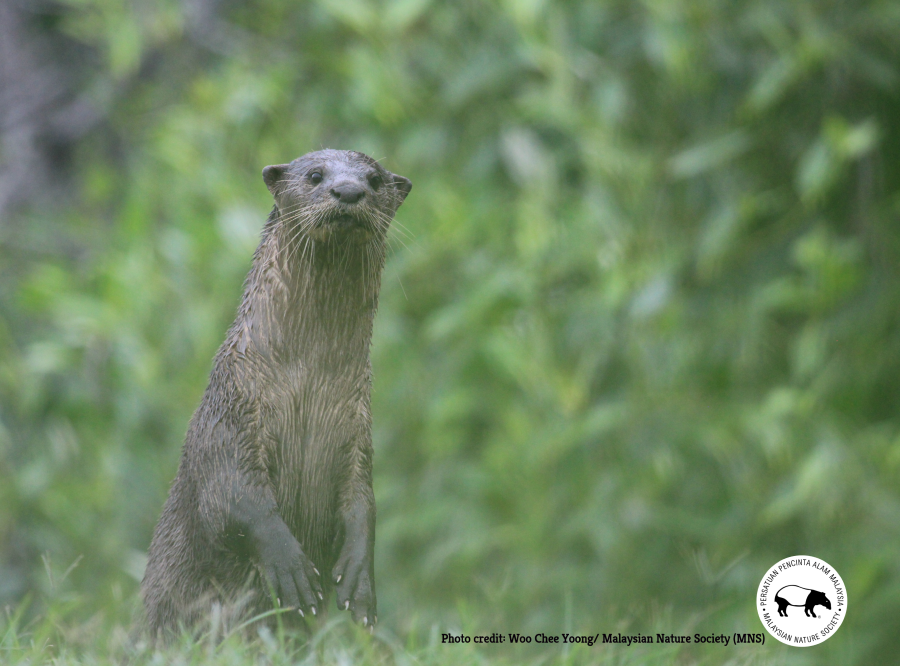
The partnership will support CIAP’s local partner, the Malaysian Nature Society (MNS) in its efforts to enhance wildlife protection and mangrove conservation. This will be done through an otter research and local community outreach in Kuala Selangor, which forms part of a coastal stretch that is predominantly mangrove forests, known as the North-central Selangor Coast.
The otter, a keystone species in the wetlands, also plays the important role as an ecosystem health indicator. MSIG’s contribution will help MNS promote the understanding and protection of wild otters through ecological research, survey and monitoring, engagement with local multi-stakeholders, and outreach initiatives with smallholder plantation farmers and owners.
Significantly, this research will be the first in Peninsular Malaysia to champion otters as the focus species for conservation, particularly in the protection of mangroves. Out of the four otter species that can be found in Malaysia, three of them are listed as globally threatened with special mention to the hairy-nosed otter—recognised as the rarest otter species in the world and endemic to Southeast Asia. Findings will help conservationists and scientists better understand, manage, and protect mangroves in Malaysia, starting at Kuala Selangor where MSIG Malaysia staff will further contribute through a mangrove rehabilitation initiative. To increase the survival rate of saplings planted at the activity, MSIG’s support will also enable MNS to monitor and maintain the saplings over a year.
Discover more biodiversity initiatives and other conservation work by Malaysian Nature Society.

